From Lost in Traffic to Found in Friendship: How Real-Time Maps Reconnected Us
Getting stuck in traffic used to mean frustration, missed calls, and drifting connections. But lately, something small has changed everything—a blinking dot on a map, a shared route, an “I’m on my way” that finally feels real. What if the same tech that guides us through cities could also guide us back to the people we care about? This isn’t about faster commutes. It’s about how real-time traffic updates quietly rebuilt a friendship I thought time had worn thin. I didn’t expect a smartphone feature to mend what busy lives had strained—but here we are, reconnecting not through grand gestures, but through tiny, timely moments made possible by a simple map.
The Last Time We Got Together Was Years Ago
We used to be inseparable—laughing over coffee, navigating city streets without a map, always knowing where the other was. Back then, our lives moved at the same rhythm. We’d call just to say, “I saw a dog wearing sunglasses—thought you’d appreciate that.” It wasn’t about the dog. It was about feeling close, even when apart. But life, as it does, got louder. Jobs demanded more. Families grew. We moved to different parts of town, then different parts of the same city. The phone calls became texts. The texts became occasional emojis. And eventually, silence settled in like dust on an old bookshelf—quiet, unnoticed, but thick enough to blur what was once clear.
I’d see her name light up my phone and feel a small tug—half joy, half guilt. Joy because I still cared. Guilt because I hadn’t reached out first. I’d wonder: Is she calling to check on me? Or is this just a reflex, a social obligation wrapped in a friendly tone? We both became experts at polite deflection. “We should meet up!” we’d say, knowing full well it wouldn’t happen. The idea of coordinating schedules felt exhausting. And then there was the uncertainty—what if I drove all the way, only to wait 30 minutes in the rain? What if she did the same? That fear of wasted time, of emotional misalignment, became its own kind of wall.
Distance wasn’t just measured in miles. It was in the growing gap between intention and action. I wanted to see her. I meant to. But without a clear way to bridge that gap in real time, the effort felt too heavy. We weren’t angry. We weren’t even drifting apart on purpose. We were just… busy. And sometimes, that’s enough to lose a friendship without ever meaning to.
How a Simple Dot on a Screen Changed the Game
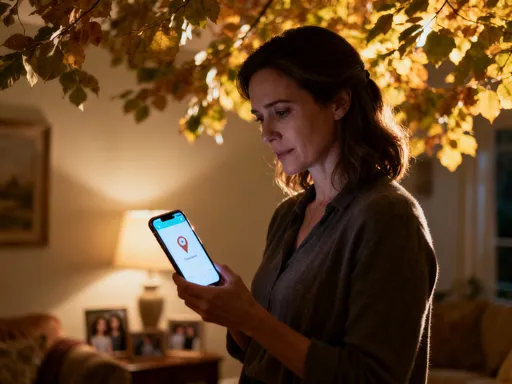
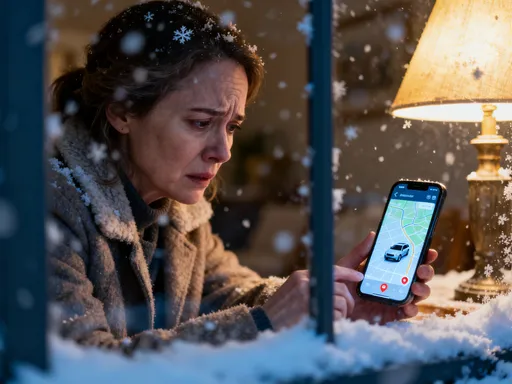
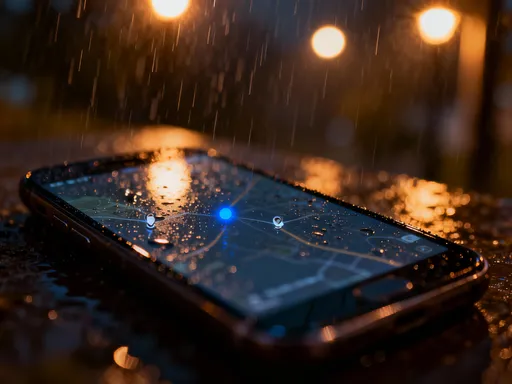
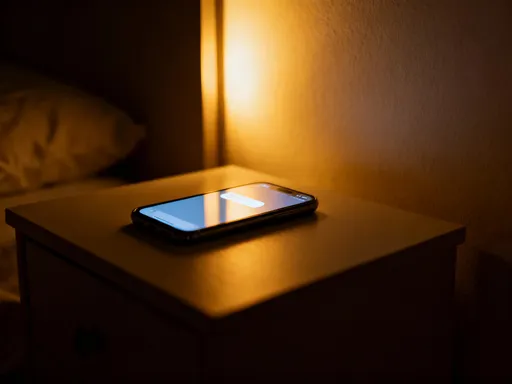
Then came that rainy Tuesday. I was standing under a café awning, umbrella in one hand, phone in the other. I’d just texted, “No rush—just let me know when you’re close.” A minute later, a notification popped up: “She’s 8 minutes away.” Not a text. Not a voice note. A soft chime, and her location appeared on the map—her little avatar moving steadily toward mine. My heart did a little flip. Not because 8 minutes is short, but because, for the first time in years, I wasn’t guessing. I wasn’t wondering if she’d changed her mind, if traffic had swallowed her, if she was even on her way at all. She was. And the app knew it.
That blinking blue dot—so small, so ordinary—became a quiet promise. Real-time traffic info didn’t just show her location; it showed intention. It meant she wasn’t just *coming*—she was *on her way*, delays accounted for, route adjusted. I stopped guessing. No more “Where are you?” texts that felt like pressure. Instead, I’d glance at the app and smile: *She’s stuck behind a bus—same as me last week.* It made the distance feel human, not just digital. The tech didn’t replace conversation; it protected it. It gave us space to breathe, to focus on driving safely, to listen to our favorite playlist—without the weight of constant check-ins.
What surprised me most was how much safer it made us feel. Not just physically, but emotionally. I wasn’t anxious. She wasn’t defensive. We both knew the other was moving, progressing, committed. That dot wasn’t surveillance. It was reassurance. And in a world where so much feels uncertain, having one small thing we could count on—“She’s on her way”—felt like a gift.
From Guesswork to Grace: The End of “Where Are You?” Texts
We’ve all been there—typing, deleting, retyping: “Just checking… are you almost here?” It’s not about control. It’s about care wrapped in anxiety. That text, innocent as it seems, carries so much weight. It interrupts. It pressures. It turns a joyful reunion into a performance: “Am I late? Are you mad? Should I speed?” I used to send those texts without thinking. Now, I realize how much they could chip away at goodwill. A simple question, meant to connect, could instead create tension.
Real-time sharing removed that tension. When we both opt in, there’s trust. No need to interrupt her playlist or his podcast with a call. I see the reroute, the slowdown, the detour—and I know. That small window of uncertainty? Gone. And with it, the tiny fractures those texts could cause. We got our patience back, and our peace. I can see she’s delayed because of an accident up ahead, and instead of frustration, I feel concern. “Hope you’re okay,” I might text—not because I’m checking up, but because I care.
And here’s the thing: it works both ways. When I’m the one running late, I don’t have to explain myself over and over. She sees it. She gets it. There’s no need to justify, no need to apologize five times. The map speaks for me. And that changes how I show up—not defensive, not rushed, but present. We stopped treating lateness like a personal failure and started seeing it as part of life. The app didn’t eliminate delays. It eliminated the emotional toll they used to take.
More Than Navigation—It’s Emotional Infrastructure
We talk about apps guiding us through streets, but what about guiding us through feelings? Knowing someone’s journey in real time creates empathy. “Oh, the highway’s jammed—no wonder you’re late” turns frustration into understanding. It’s like seeing someone’s day unfold in small frames. That shared awareness builds connection. It’s not surveillance. It’s solidarity. The same system that warns of a traffic jam can quietly warn our hearts not to rush judgment.
I remember one afternoon when she was coming from a long work meeting. I could see her route—how she’d taken the longer way to avoid construction, how she paused at a red light for nearly two minutes. I didn’t know what she was thinking, but I could imagine. Tired. Maybe hungry. Definitely drained. And instead of thinking, “Why is she so slow?” I thought, “No wonder she needs this coffee.” That shift—from impatience to empathy—didn’t happen because I’m a better person. It happened because I had context. And context, it turns out, is the foundation of compassion.
That’s the hidden power of real-time maps. They don’t just track location—they track experience. They let us witness the small struggles of someone’s day: the detour, the slowdown, the moment they stop to let a school bus go. And in doing so, they remind us that everyone is somewhere in the middle of something. When we see that, we’re less likely to take things personally. We’re more likely to say, “It’s okay,” instead of “You’re late.” That’s not just convenience. That’s emotional maturity, quietly supported by technology.
How We Started Sharing—And Why It Felt Natural
It didn’t start with a big talk. No “Can we be more connected?” conversation. Just a joke: “Send me your location, or I’m calling the police.” We laughed, then did it. No pressure, no settings overhaul—just a tap. That first time, it felt a little strange. Was this too much? Was I overstepping? But then she texted, “Okay, you can stalk me now,” and we both laughed. And just like that, it became normal.
Now, when we plan coffee, it’s automatic. “I’ll share my ride.” No drama. No tracking. Just warmth in motion. The tech made it easy; our history made it meaningful. And because it’s temporary—just for the trip—it never feels invasive. It feels like care, coded in GPS. We’re not sharing our whole lives. Just the part where we’re moving toward each other. And that’s enough.
What makes it work is consent. We both choose to share. We both know how to turn it off. There’s no pressure to be “on” all the time. It’s not about constant monitoring. It’s about those specific moments when we want to be seen. When we say, “I’m coming,” we mean it—and now, we can prove it, not with words, but with action. That small act of sharing builds trust. It says, “I value your time. I don’t want you to wait. I’m on my way, and I want you to know it.”
Small Tech, Big Moments: The Coffee That Almost Didn’t Happen
Last month, she almost turned back. Traffic snarled, rain pouring, work emails piling up. She was halfway there when her phone buzzed with a high-priority message. I could see her car stopped at an intersection, not moving. My stomach dropped. I thought, “Here it comes. She’s going to cancel.” But then, she started moving again. Slowly, but moving. Toward me.
Later, she told me what happened. She’d considered turning around. “I was so tired,” she said. “And the rain made everything worse. I thought, maybe we should just reschedule.” But then she looked at her phone. And she saw my dot—still at the café, not moving toward the exit, not pacing, not leaving. Just there. Waiting. Not stressed. Not angry. Just present.
“I knew you weren’t mad,” she said. “You could see it too. You knew the traffic was bad. And that… that made me want to keep going.” That changed her mind. She stayed. We got our coffee, our talk, our laughter. Not because the roads cleared—but because we both felt seen. The app didn’t fix the traffic. It fixed our willingness to wait. It turned a near-miss into a moment we’ll remember. And that’s the thing about connection—it doesn’t always need grand plans. Sometimes, it just needs one person to feel sure enough that the other is still waiting.
Rebuilding Connection, One Route at a Time
We’re not closer because we text more. We’re closer because we *live* more visibly to each other—just for those minutes in transit. Real-time traffic info didn’t bring us together. It simply stopped letting little things pull us apart. It gave us back the ease we lost. The small frustrations that used to build up—miscommunication, uncertainty, the fear of being a burden—are now diffused before they start. We don’t have to manage them. The tech does, quietly, behind the scenes.
Now, when I see her dot move toward mine, I don’t just think “she’s coming.” I think, “we’re still here.” And sometimes, that’s enough. We don’t need to force deep conversations or schedule elaborate meetups. We just need to know that the path between us is clear—not in traffic, but in intention. The map shows the route. But we’re the ones choosing to travel it.
This isn’t about relying on technology to replace human connection. It’s about using it to protect what we already have. To remove the friction that keeps us apart. To give us back the space to be kind, patient, and present. Because connection isn’t always about saying the right thing. Sometimes, it’s about not having to say anything at all—just knowing, without words, that someone is on their way.
So the next time you see that blinking dot—yours or someone else’s—remember: it’s not just a tool for directions. It’s a quiet act of care. A way of saying, “I’m thinking of you. I’m making the effort. I’m coming.” And in a world that often feels too fast, too fragmented, too busy, that small promise might be exactly what keeps us close. Not forever. Just for now. And right now, that’s everything.