Tired of coming home to a dark, unwelcoming house? Here’s how smart lighting brought my family closer
Walking into a pitch-black home after a long day used to leave me stressed and on edge—especially when my kids were already inside. I worried about safety, stubbed toes, and the eerie silence. Then I discovered how a simple upgrade to smart lighting didn’t just brighten our halls—it transformed our routines, eased my anxiety, and even helped us connect more as a family. This isn’t about fancy tech; it’s about creating a warmer, safer space where everyone feels at ease. Let me show you how something as simple as light can make life feel lighter.
The Moment I Realized Our Home Wasn’t as Safe as I Thought
It was a Tuesday night, and I’d stayed late at the school fundraiser. Rain pattered against the windshield as I pulled into the driveway, tired and eager to kick off my shoes. The house was dark except for a faint glow from the living room TV. I fumbled for the porch light switch—nothing. The front door creaked open, and I stepped into complete darkness. “Hello?” I called out. No answer. My heart thumped. Then, from the kitchen, my sixteen-year-old daughter jumped, letting out a small scream. “Mom! You scared me!”
That moment hit me like a splash of cold water. I realized I’d walked into a space that should have felt like a sanctuary, but instead felt unsettling—like a stranger’s house. And worse, I’d startled my own child. We lived in a safe neighborhood. There were no real dangers, no break-ins, no threats. But the lack of light made everything feel uncertain. That night, I lay awake thinking: why should coming home feel like a risk? Why did we accept walking through dark hallways, tripping over shoes, or startling each other just because no one remembered to turn on a lamp?
I started doing some research and learned that poor lighting isn’t just an inconvenience—it’s a real safety issue, especially for families. The National Safety Council reports that inadequate lighting contributes to thousands of household falls every year, many involving children and older adults. But beyond physical safety, there’s an emotional side. Darkness can trigger low-level anxiety, especially at night. Our brains are wired to scan for threats in dim environments. When a home is too dark, that survival instinct stays quietly activated, even when we’re not aware of it. I realized that my constant low-grade stress wasn’t just from a long day—it was from walking into a home that didn’t feel welcoming.
That week, I made a promise to myself: no more dark homes. Not for me, not for my kids. I wanted to create a space where walking through the door felt like a sigh of relief. And that’s when I started exploring smart lighting—not as a tech trend, but as a tool for peace.
Why Safety Lighting Is More Than Just Brightness
At first, I thought lighting was just about visibility. Turn on a light, see the floor, avoid the toy truck. But the more I learned, the more I realized how deeply light shapes our emotions, our energy, and even our relationships. Think about it: have you ever walked into a dimly lit room and immediately felt tense? Or entered a warmly lit space and felt your shoulders drop? Light doesn’t just help us see—it tells our body and mind how to feel.
For families, this is especially powerful. Kids respond strongly to lighting. A harsh overhead bulb at bedtime can make it harder for them to wind down. A completely dark hallway can make a young child afraid to go to the bathroom at night. And for parents, constantly adjusting lights—turning them on, off, dimming them—adds to the mental load we already carry. Smart lighting changed that for us by doing more than just illuminating rooms—it created emotional cues.
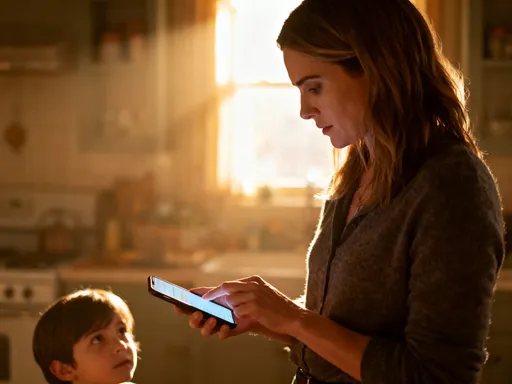
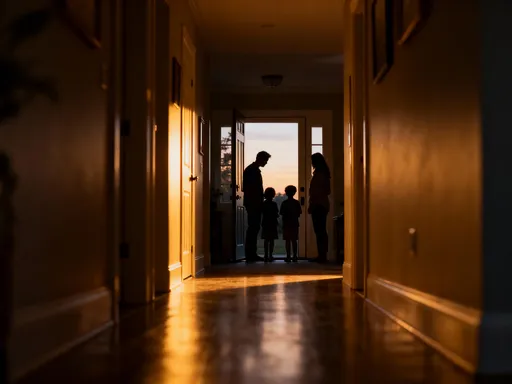
For example, we now use soft, warm lighting in the hallway from 7 PM onward. It’s not bright—just enough to see. But that gentle glow signals to everyone: it’s winding-down time. My younger son, who used to resist bedtime, now says, “The lights are getting cozy. That means pajamas soon.” That small visual cue has replaced a hundred nagging reminders. For my teenager, who struggles with anxiety, having a motion-sensing nightlight in the bathroom means she doesn’t have to face total darkness when she wakes up. She told me, “It’s like the house is watching out for me.”
And it’s not just about kids. I’ve noticed I feel calmer when I come home to a softly lit entryway. That first impression matters. Instead of walking into silence and shadow, I’m greeted by a warm, steady light—like the house is saying, “You’re safe. You’re home.” That may sound sentimental, but emotional safety is real. When we feel secure, we’re more patient, more present, more connected. Lighting, it turns out, isn’t just functional—it’s emotional infrastructure.
Choosing the Right System Without Getting Overwhelmed
I’ll be honest—I was nervous about diving into smart lighting. The internet is full of terms like “Zigbee,” “hub-based systems,” and “color spectrum range,” and I didn’t want to spend hours reading manuals or wiring circuits. I needed something simple, affordable, and something my family could actually use—not just another gadget that collects dust.
So I started small. I bought a single smart bulb for the front hallway—a plug-in type that didn’t require an electrician. I downloaded the app, connected it to our Wi-Fi, and within ten minutes, I could turn the light on from my phone. I tested it by turning it on while I was still in the driveway. When I walked in, the light was already on. No fumbling. No fear. Just warmth. That small win gave me the confidence to expand.
Next, I looked for systems that were easy to scale. I chose lights that didn’t need a hub—meaning they connect directly to Wi-Fi. That made setup easier and kept costs down. I also prioritized motion sensors for high-traffic areas like the stairs and bathroom. Now, when someone walks down the hall at night, the lights turn on automatically at 30% brightness—enough to see, not enough to wake everyone up.
One of the most helpful steps was involving my family in the process. We held what we called “lighting taste tests.” We’d try different color temperatures—cool white for homework time, warm amber for evenings. My daughter preferred a slightly brighter setting in her room, while my son liked a softer glow. We adjusted until everyone said, “Yeah, this feels right.” That made the tech feel personal, not imposed. It wasn’t about me controlling the house—it was about us creating a space that worked for all of us.
And the cost? I was surprised. I started with three bulbs and two motion sensors, spending under $100. Over time, I added more—but only where it made sense. The kitchen, the entryway, the kids’ bathrooms. No need to replace every bulb at once. Smart lighting isn’t an all-or-nothing upgrade. It’s something you grow into, one room at a time.
How We Organized Our Lighting to Fit Real Life
Once we had the lights in place, the real magic began: routine. I set up schedules so that certain lights turn on automatically at specific times. For example, the hallway light comes on at 5:30 PM during winter months—when it’s already dark by the time the kids get home from school. That means they’re never walking into a black house. The porch light turns on at dusk and off at midnight, which keeps the path visible without wasting energy.
We also created lighting “scenes”—preset combinations that match our daily rhythms. “Homework Mode” turns on bright, cool-toned lights in the kitchen nook where the kids study. It helps them focus. “Movie Night” dims the living room lights and turns on a soft blue accent light behind the TV. It’s not just practical—it’s fun. My kids love announcing, “Activate Movie Night!” like we’re in a spaceship. And “Bedtime” gradually dims the hallway and bathroom lights over 20 minutes, giving everyone a visual signal that it’s time to wind down.
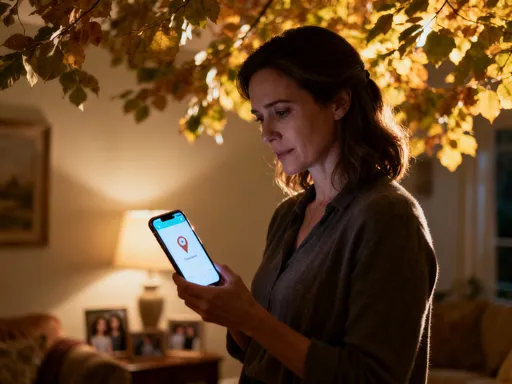
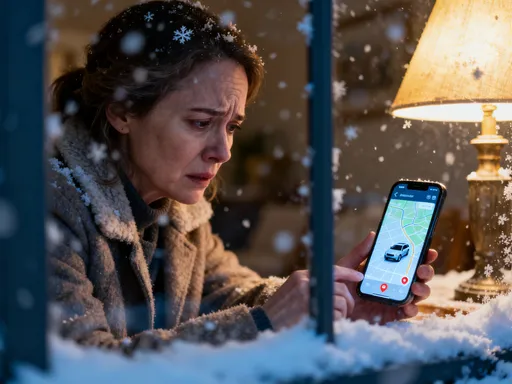
These small automations have reduced so much of the daily friction. No more yelling, “Who left the lights on?” No more arguments about whether it’s “too early” for bedtime lighting. The house just knows. And in a busy family life, having one less decision to make is priceless. I’ve even set up geofencing—so when my phone gets within a mile of home, the entryway light turns on. It’s like the house greets me. My husband teased me at first, calling it “overkill,” but now he says, “I didn’t realize how much I needed that little welcome.”
The key was making the system invisible. I didn’t want us to have to think about the tech. I wanted the tech to think for us. And that’s exactly what’s happened. The lights aren’t the focus—they’re the background that makes everything else smoother.
Unexpected Benefits: More Than Just Safety
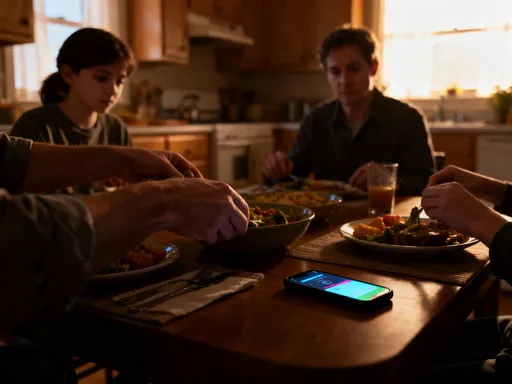
I expected smart lighting to make our home safer. I didn’t expect it to make us closer. But slowly, I noticed changes I hadn’t planned for. My kids started lingering at the dinner table longer. At first, I thought it was because we’d replaced the harsh kitchen light with a warm, dimmable fixture. But then I realized: the lighting created a mood. It felt more intimate, more relaxed. We weren’t just eating—we were talking.
One evening, my daughter shared something she hadn’t told me before—about a friendship that was stressing her out. I don’t think she would have opened up if we’d been under a bright, clinical light. But in the soft glow, with the table lit just enough to see each other’s faces, it felt safe to talk. That moment stayed with me. Light had created the space for connection.
We also saw improvements in sleep. By reducing blue light in the evenings and using gradual dimming, everyone started falling asleep faster. My younger son, who used to wake up disoriented, now sleeps through the night. The motion-sensing nightlights guide him back to bed without fully waking him. And I’ve noticed I sleep better too. There’s something grounding about knowing the house is secure, that the paths are lit, that no one has to stumble in the dark.
Another surprise? We’re using less energy. Because the lights turn off automatically and we’re not leaving them on by accident, our electricity bill has gone down. I didn’t start this for savings—but I’ll take it. And the environmental benefit matters to my kids. They feel proud that our home is both cozy and responsible.
But the biggest benefit is the sense of calm. Our home doesn’t feel chaotic anymore. It feels intentional. And when a home feels calm, the people in it feel calmer too. We argue less. We laugh more. We breathe easier. That’s not something I expected from a light bulb. But here we are.
Sharing What Worked: Growing My Circle Through Small Talks
I didn’t plan to talk about our lighting system with anyone outside the family. But one day, my neighbor stopped by and said, “I noticed your porch light comes on so early now. It’s really nice.” I told her about the automatic schedule, and she asked how it worked. That casual conversation turned into a longer chat. She was nervous about her aging mother visiting and worried about falls. I showed her the motion-sensor lights we used in the hallway.
That week, I ended up helping three neighbors set up simple smart bulbs. We met on Zoom, screens shared, laughing as we fumbled through app settings together. One friend said, “I never thought I’d be excited about a light switch.” But she was. We started a small group chat—just moms and caregivers in the neighborhood—who share tips on anything that makes life easier. Someone shared a smart thermostat, another recommended a leak detector. It became a space not just for tech talk, but for support.
We even got a group discount by buying lights together. But more than the savings, I loved how these conversations deepened our connections. We weren’t just talking about gadgets—we were talking about care. About wanting our homes to protect our people. About the small things that add up to peace of mind.
One mom told me her teenage son now feels safer coming home from practice in the dark. Another said her toddler stopped crying at night because the bathroom light turns on gently when he walks in. These stories reminded me that tech, at its best, isn’t cold or impersonal. It’s a tool for love. And when we share what works, we multiply that love.
Making It Last: Simple Habits That Keep the System Working
Like any new habit, smart lighting only works if it’s sustainable. I learned that the hard way when one of our bulbs stopped responding—because the app hadn’t updated in months. So I built in simple maintenance routines. Every month, I do a quick “light check.” I walk through the house, test each motion sensor, make sure schedules are still correct. It takes ten minutes. I’ve turned it into a little ritual—coffee in hand, checklist on my phone.
I also involve my kids. My son is in charge of updating the app when prompted. He gets a small sense of pride checking the notifications. My daughter helps decide when to adjust settings for the seasons—brighter in summer, cozier in winter. When the family feels ownership, the system stays alive.
And I remind myself: perfection isn’t the goal. Some days, a light stays on too long. Sometimes the app glitches. That’s okay. The point isn’t to have a flawless smart home. It’s to have a home that cares for us, even when we’re tired, distracted, or overwhelmed. The tech doesn’t have to be perfect—it just has to be there.
My advice? Start with one light. One room. One problem you want to solve. Let it work for you. Build from there. You don’t need to automate everything overnight. You just need to begin.
Light as a Language of Care
Looking back, I realize I wasn’t just installing lights. I was building a language—one made of warmth, timing, and quiet attention. Every time a hallway glows before someone walks in, it’s a whisper: I thought of you. Every time a nightlight guides a child back to bed, it’s a promise: you’re safe. This isn’t about convenience. It’s about care made visible.
Smart lighting didn’t change our lives because it’s advanced. It changed our lives because it’s thoughtful. It reduced fear. It created space for connection. It made our home feel like it was truly looking out for us.
And maybe that’s the real power of technology—not in the specs or the features, but in how it helps us show up for the people we love. You don’t need to be a tech expert to make this happen. You just need to care enough to try. So go ahead. Turn on a light. Let it say what words sometimes can’t: You’re home. You’re safe. You’re loved.